
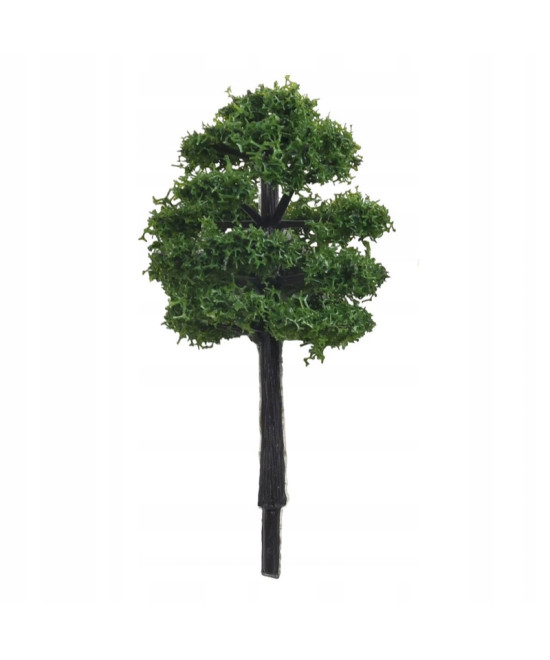
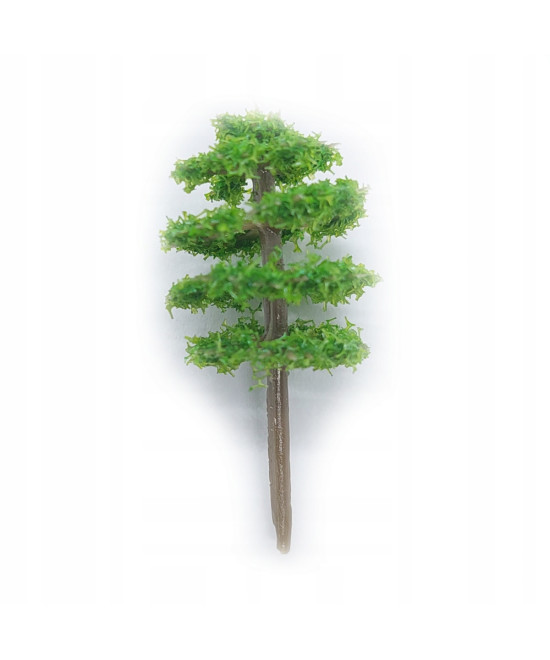
Drzewka na makietę, liście
Filtruj według
Nadaj swojemu krajobrazowi naturalny charakter i realizm! Drzewka to fundament każdej tętniącej życiem makiety. Dzięki szerokiej gamie gatunków, rozmiarów i technik wykonania, od w pełni uformowanych modeli do samodzielnego komponowania, z łatwością odtworzysz dowolny pejzaż – od gęstego lasu i alejek parkowych po sielskie zadrzewienia na obrzeżach torów. Te starannie dobrane elementy wprowadzą do Twojej kompozycji przestrzenną głębię, koloryt i niepowtarzalny klimat.
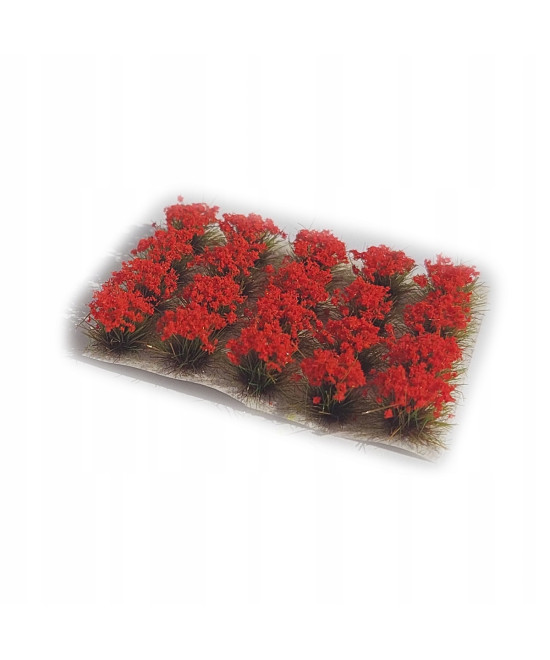
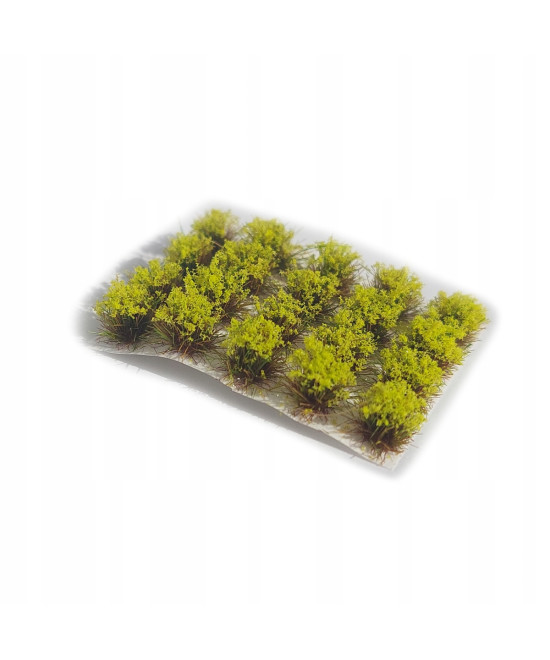
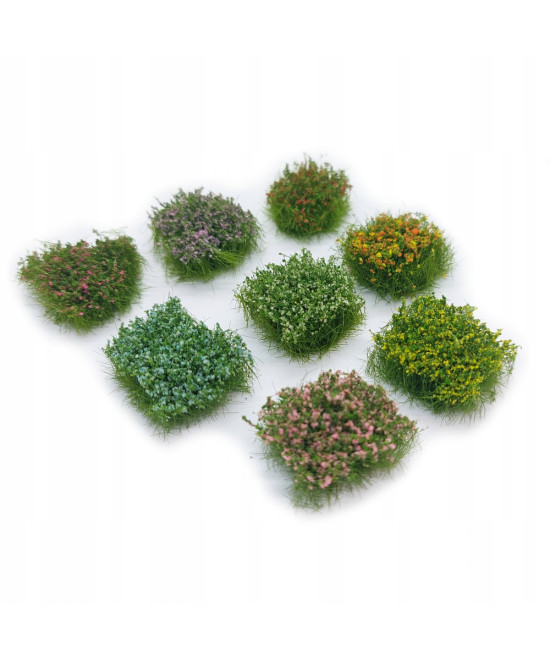
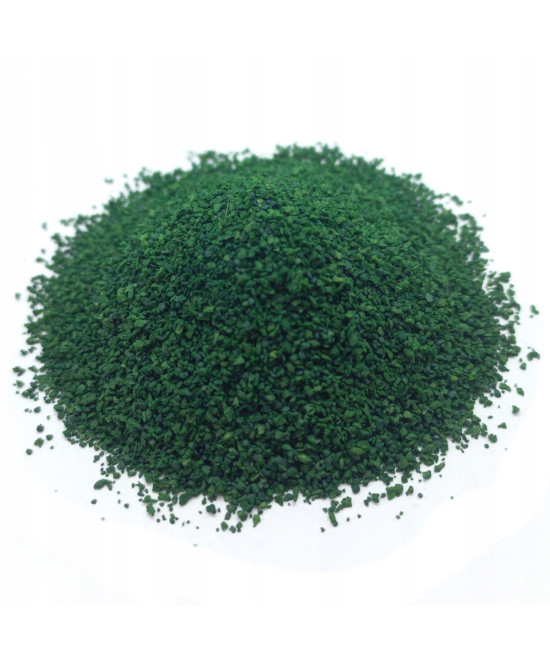
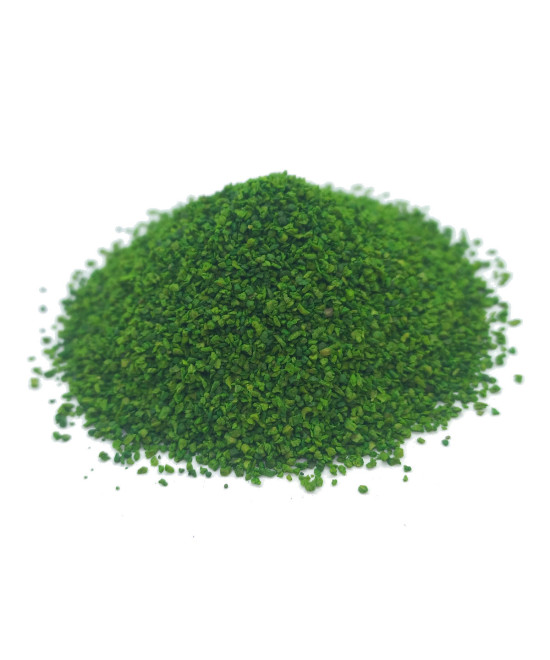
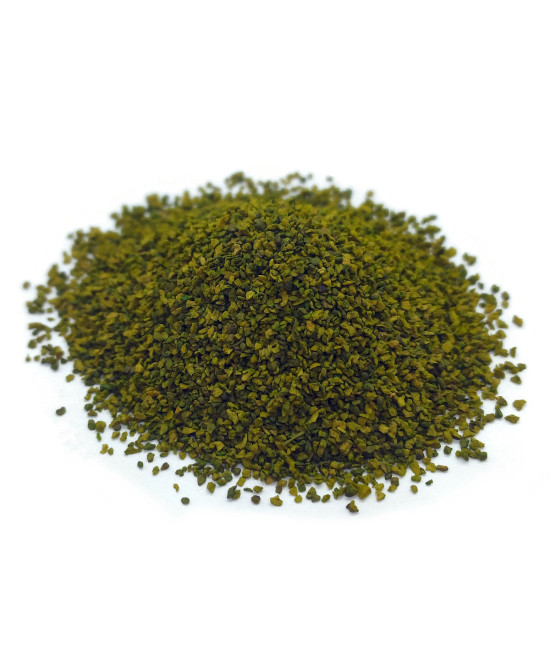
W ofercie również listowie na drzewka w różnych odcieniach.
Aktywne filtry
- Dostępność: W magazynie







Ceramics are typically composed of natural minerals, such as clays, silica, and oxides, or synthetic materials like silicon carbide or boron nitride. These materials are often mixed with water or other binders to form a moldable mass, which is then fired in a kiln or furnace at high temperatures to achieve the desired properties.


In the ceramics field, PbZrO₃ is often combined with Lead Titanate (PbTiO₃) to form Lead Zirconate Titanate (PZT)—a solid solution that exhibits outstanding piezoelectric and ferroelectric properties. However, even in its pure form, Lead Zirconate is used in:
- Hardness: Ceramics are typically very hard and resistant to scratching, making them ideal for applications like cutting tools, abrasives, and wear-resistant coatings.
- Thermal Resistance: Ceramics can withstand high temperatures without melting or deforming, making them perfect for furnaces, kilns, and aerospace components.
- Electrical Insulation: Most ceramics are insulating materials, which means they do not conduct electricity, making them ideal for use in electronic components.
- Brittleness: While ceramics are very strong under compression, they can be brittle under tension, meaning they are prone to cracking.
- Chemical Inertness: Many ceramics are highly resistant to corrosion and chemical attack, making them ideal for use in harsh environments like chemical processing or medical implants.